












Installing fiber optic cable in Canada demands careful planning, the right tools, and attention to environment. This guide covers key practices from choosing cable to pulling techniques. It highlights Canadian considerations—plenum/fire codes, cold-weather handling, and proper burial depth. You’ll learn actionable tips for outdoor and indoor installs, with links to CCT’s fiber kits and duct rodder. By following these steps, installers ensure reliable, code-compliant fiber runs with minimal downtime.
Planning Your Fiber Optic Installation
First, map your route and calculate cable length. Always add extra slack (service loops) to avoid tight pulls. For building installs, comply with Canadian Electrical Code: only use plenum-rated fiber cables in air-handling spaces. Outdoors, choose cable rated for UV, water, and rodents (gel-filled or armored). In frost zones, avoid sharp bends as cold can increase breakage.
- Check local codes for burial depth. (In Canada/USA, underground fiber is typically buried 1.0–1.2 meters deep in rural areas, but verify regionally.)
- For aerial runs, use messenger-supported cable or include a steel strand for strength.
- Confirm permits and One-Call locates before digging.
Choosing the Right Cable & Tools
Select fiber cable type by application: single-mode for long-haul/FTTH or multimode for shorter campus links. Indoor cables need OFNP/FT4 rating for plenum ceilings; outdoor cables should have UV-resistant jackets and gel or dry-core moisture barriers. When in doubt, pick armored cable for rugged areas.
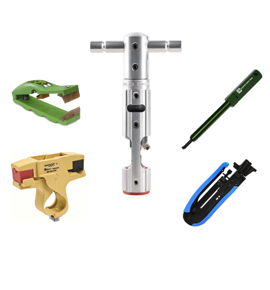
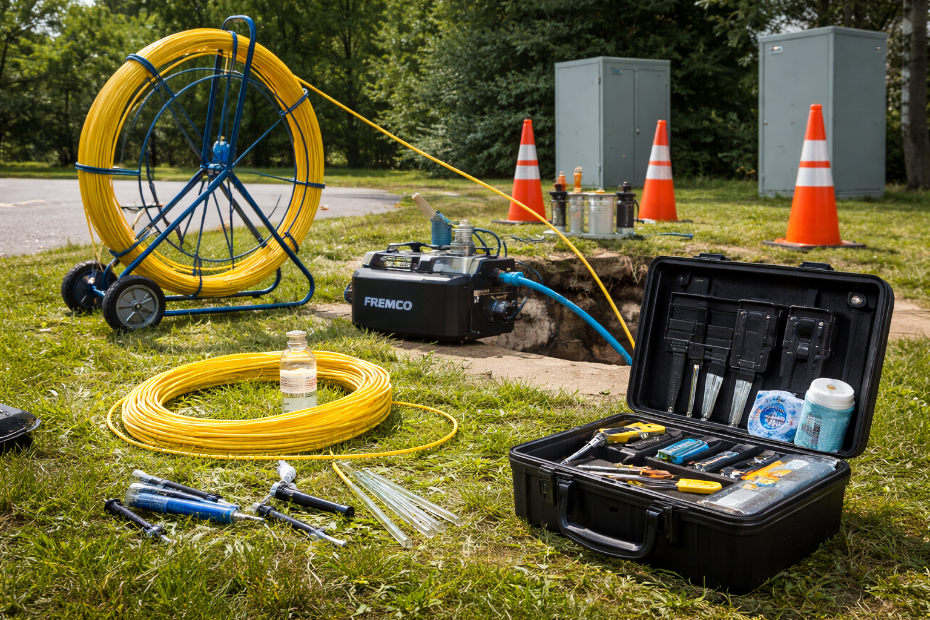
Equip your crew with professional tools:
- Fiber Strippers & Cleavers: Ensure clean, precise ends.
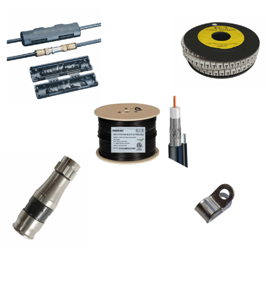
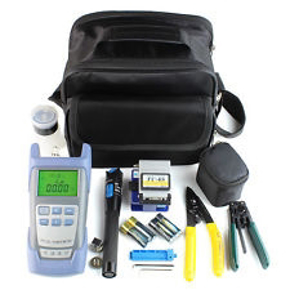
- Splice & Connector Kits: (Include our [Fiber Optic Installer’s Tool Kit] and [Fiber Prep Kit] for safe, fast prep.)
- Duct Rodders & Pulling Gear: For long conduit runs, use a Duct Rodder to push rods or pulling grips .
- Cable Lubricant: Reduces friction in long pulls, especially underground.
Temperature and Environmental Tips
Canada’s climate adds challenges. In freezing weather, fiber glass can stiffen. Work slowly and keep cable warm if possible. Avoid pulling fiber directly on ice or snow. In summer, UV exposure can weaken jackets, so use protective conduit or sunlight-resistant cable outdoors.
- Cold Weather: Fiber is more brittle. Use cushioning felt or backing in cable guides to prevent kinks.
- Heat: Avoid installing on very hot days; store coils in shade.
- Waterproofing: Seal all outdoor splices and terminations in waterproof enclosures.
Proper Pulling Techniques
Never exceed the fiber’s tensile rating. Use a load-monitor or dead-end grips. Maintain bend radius: for most outdoor cables, the rule is 15–20× the cable diameter, even during pulls. When threading conduit, keep bends gentle and use fish tape or pull cords.
Use the right method: For short runs or simple jobs, manual pulling suffices. For long conduits or ducts, consider blowing machines or pushing with rods. Always keep a spool of duct rodder cable on hand to clear blockages or pre-rodded paths.
Protection and Burial Best Practices
Protect fiber from the environment and future hazards:
- Armor & Ducts: In high-risk zones, run cable inside armoured conduit or use armored cable directly.
- Burying Fiber: Common practice is ~1.0–1.2 m depth in rural areas (deeper under roads). Always use warning tape above the cable.
- Thermal Expansion: Leave service loops to accommodate ground freeze/thaw expansion without stressing the fiber.
Testing and Documentation
After installation, test every link. Use an OTDR or light meter to verify loss figures (Canadian telcos often require an OTDR trace). Document cable lengths and splice locations for future maintenance. Label cables per Canadian standards (colour codes etc.) for easy identification.
6 Key Installation Tips
- Measure Twice: Always calculate cable length with slack. Keep it loose in trays and handholes.
- Respect Bend Radius: Never kink the fiber. Use pull socks or mesh grip when pulling around corners.
- Use Proper Tools: Always strip fiber with a 3-hole stripper and clean with alcohol wipes to avoid microbends.
- Protect From Rodents: Where required, use armored or gel-filled cables if rodents are a concern.
- Maintain Cleanliness: Cap fiber ends until termination to prevent dirt; clean connectors before mating.
- Follow Local Codes: Ensure flame-rating compliance (e.g. FT4 plenum cable indoors) and proper burial/cover requirements.